

Becoming a commercial pilot is a dream for many aviation enthusiasts. If you want to build a professional career as a pilot, one of the most important qualifications you need is a Commercial Pilot Licence (CPL).
In India, pilot licensing and examinations are regulated by the Directorate General of Civil Aviation (DGCA). A CPL allows a pilot to pursue eligible commercial flying opportunities after completing the required training, examinations, medical requirements and other applicable licensing conditions.
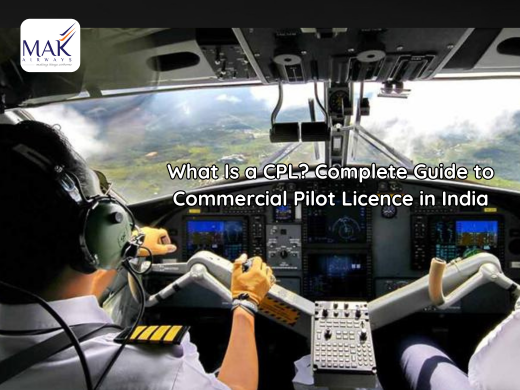
What Is a Commercial Pilot Licence (CPL)?
A Commercial Pilot Licence (CPL) is a professional pilot licence that allows a qualified pilot to fly aircraft for commercial purposes, subject to the privileges and conditions of the licence.
For aspiring airline pilots, obtaining a CPL is an important milestone. However, a CPL by itself does not automatically qualify someone to work as an airline pilot. Additional training, ratings, experience and airline-specific requirements may apply.
Commercial Pilot Licence Eligibility in India
Before starting CPL training, candidates should understand the basic eligibility requirements. These may include:
- Completion of 10+2 or an equivalent qualification with Physics and Mathematics
- Meeting the applicable DGCA age and licensing requirements
- Meeting the required aviation medical standards
- Completing the prescribed ground and flight training
- Passing the applicable DGCA examinations
- Fulfilling other documentation and licensing requirements
DGCA requirements can change, so candidates should always verify the latest rules before beginning their training.
What Does CPL Training Include?
CPL training generally combines ground classes, flight training, examinations and practical preparation.
1. DGCA Ground Training
Ground training develops the theoretical knowledge required for professional flying. Subjects may include:
- Air Navigation
- Aviation Meteorology
- Air Regulations
- Technical General
- Technical Specific
- Aviation communication and related subjects
Strong ground knowledge helps student pilots understand aircraft operations, weather, navigation, regulations and decision-making.
2. Flight Training
Flight training gives students practical experience in aircraft handling and safe operations. Depending on the applicable training programme, students work on areas such as:
- Aircraft handling
- Take-offs and landings
- Circuits and manoeuvres
- Navigation exercises
- Cross-country flying
- Instrument-related training
- Emergency procedures
- Radio communication
- Solo flying
- Flight planning and decision-making
The objective is to develop the knowledge, skills and judgement required for professional aviation.
DGCA CPL Examinations
CPL candidates are required to clear the applicable DGCA examinations. These examinations test a candidate’s knowledge of subjects relevant to safe and professional flight operations.
Preparing for these examinations requires consistent study, conceptual understanding and regular revision. Good ground classes can help students understand difficult aviation subjects and prepare systematically.
How Long Does CPL Training Take?
The duration of CPL training is not exactly the same for every student. It can depend on factors such as:
- Weather conditions
- Aircraft availability
- Training organisation schedules
- Student performance
- Flying frequency
- Examination progress
- Medical or administrative requirements
Maintaining a regular flying schedule and staying consistent with ground studies can help students progress efficiently.
How Much Does CPL Training Cost in India?
The cost of obtaining a CPL varies depending on the flying school, aircraft type, training location, flying hours, accommodation and other services.
Students should carefully compare what is included in a training package before making a decision. It is important to understand the complete fee structure, including training, examinations, accommodation and other possible expenses.
Steps to Become a Commercial Pilot in India
A typical CPL journey can be understood through these steps:
Step 1: Check your educational and medical eligibility.
Step 2: Complete the required DGCA registration and documentation.
Step 3: Join an appropriate flight training organisation.
Step 4: Complete DGCA ground training and prepare for examinations.
Step 5: Complete the required flight training and practical exercises.
Step 6: Fulfil applicable examination, medical and licensing requirements.
Step 7: Obtain your CPL after meeting the applicable DGCA requirements.
Step 8: Continue with additional training, ratings, experience and airline preparation as required for your career goal.
Can You Become an Airline Pilot After CPL?
Yes, a CPL is an important qualification on the pathway to an airline pilot career, but obtaining a CPL alone does not guarantee an airline job.
Aspiring airline pilots may need additional qualifications, aircraft-specific training, instrument-related qualifications, experience and airline selection or type-rating requirements depending on the career pathway.
A strong foundation in DGCA subjects, communication, decision-making and practical flying can help students prepare for the next stage of their aviation career.
Career Opportunities After CPL
A CPL can open the door to several professional aviation opportunities, depending on the pilot’s qualifications, experience and applicable regulations.
Potential career areas include:
- Airline pilot career pathways
- Charter operations
- Corporate aviation
- General aviation
- Flight instruction, subject to applicable requirements
- Other eligible commercial flying roles
Pilots can also continue building their qualifications and experience to progress toward more advanced aviation opportunities.
Skills Every Commercial Pilot Should Develop
Technical knowledge is only one part of becoming a successful pilot. Students should also develop:
- Strong communication skills
- Situational awareness
- Decision-making ability
- Discipline and professionalism
- Teamwork and leadershipTime management
- Problem-solving skills
- A strong safety mindset
These skills are valuable throughout pilot training and professional aviation careers.
Common Mistakes CPL Students Should Avoid
Some students focus only on completing their flying hours and overlook other important areas. Common mistakes include:
- Ignoring ground subjects
- Studying only before examinations
- Neglecting communication skills
- Failing to maintain a regular training schedule
- Not understanding the complete cost of training
- Choosing a training organisation without proper research
- Underestimating the importance of discipline and safety
A structured training approach can help students avoid these problems and make their aviation journey more effective